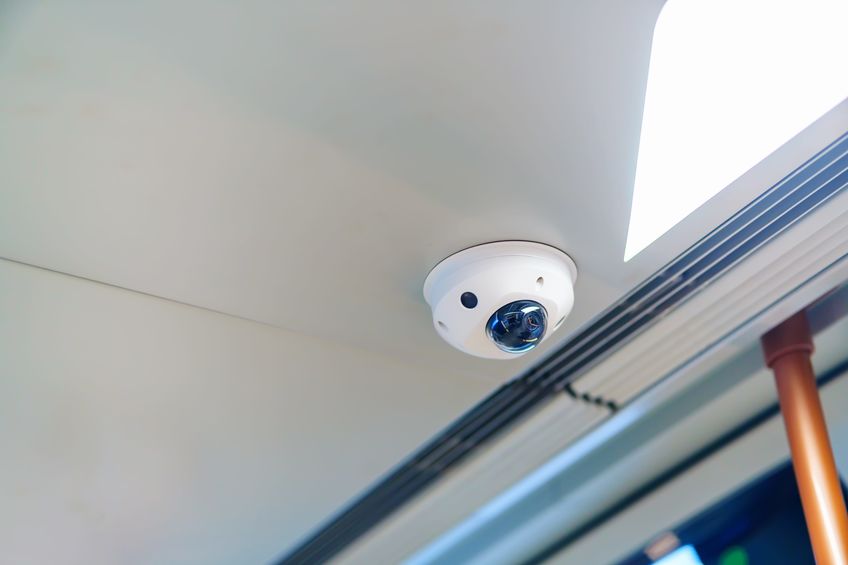
Driving a bus comes with visibility challenges that are different from those of a typical passenger vehicle. Larger vehicles have more blind spots, which is why camera systems can be useful for drivers and fleet operators. From backup cameras to 360-degree systems and interior monitoring, buyers may encounter several types of technology when comparing new and used buses. Backup and 360-Degree Cameras Backup cameras help drivers see directly behind the bus when reversing. Side-view and 360-degree systems can provide additional visibility around the vehicle, which may be helpful in parking areas, tight spaces, and busy loading zones. The Federal Transit… Read more »
Football season means more than what happens on the field. For many fans, the tailgate is just as much a part of game day as kickoff itself. A great tailgate does not have to be complicated, but a little preparation can make the day much easier. From checking parking rules to packing food safely and creating a comfortable setup, planning ahead gives you more time to relax and enjoy the game with your group. If a bus is part of your game-day setup, it can also give you extra room for passengers, supplies, and everything you need to make the… Read more »
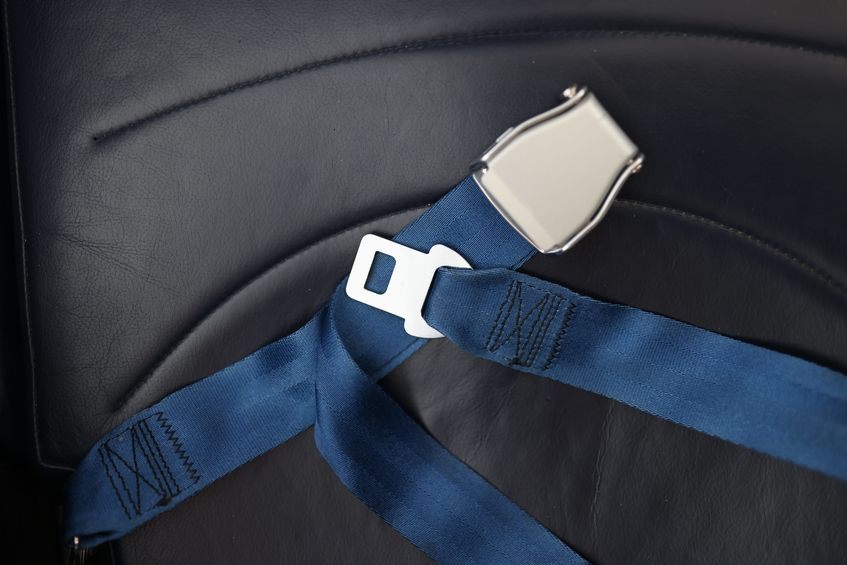
Most people buckle their seat belts automatically when getting into a car, so it can be surprising to board a school bus and find that passenger seat belts are not always available. The reason has a lot to do with how school buses are designed. Federal safety requirements differ by vehicle size, and large school buses use several built-in features to help protect passengers in a crash. If your school, daycare, district, or organization is shopping for school buses for sale, understanding these differences can help you know what to look for. Why Don’t All School Buses Have Seat Belts?… Read more »
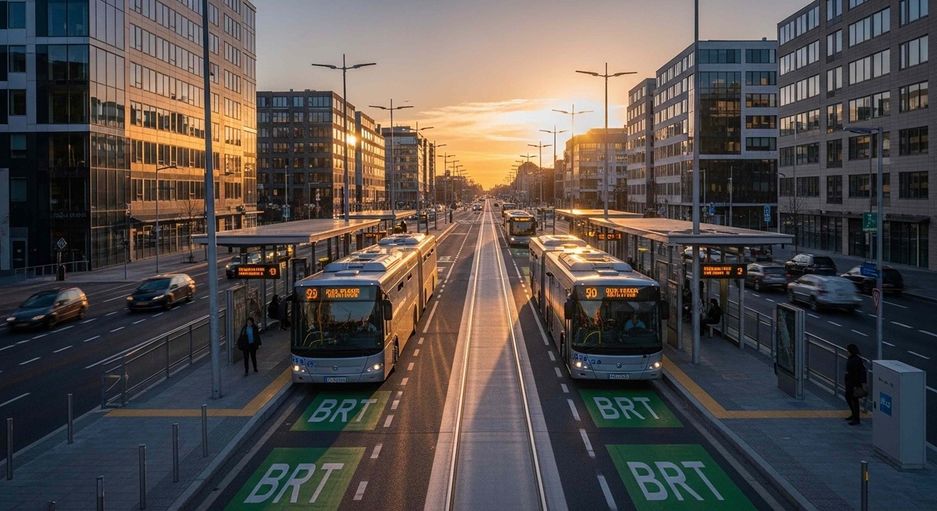
Traffic congestion can make public transportation slower and less predictable. Even when buses run on a regular schedule, they can still get caught in the same traffic as every other vehicle on the road. Bus Rapid Transit, commonly called BRT, is designed to address some of those challenges. By combining buses with features such as dedicated lanes, traffic signal priority, and improved boarding areas, BRT systems can help passengers travel more efficiently through busy communities. What Is Bus Rapid Transit? According to the Federal Transit Administration, Bus Rapid Transit is a high-quality bus-based transit system designed to provide fast and… Read more »
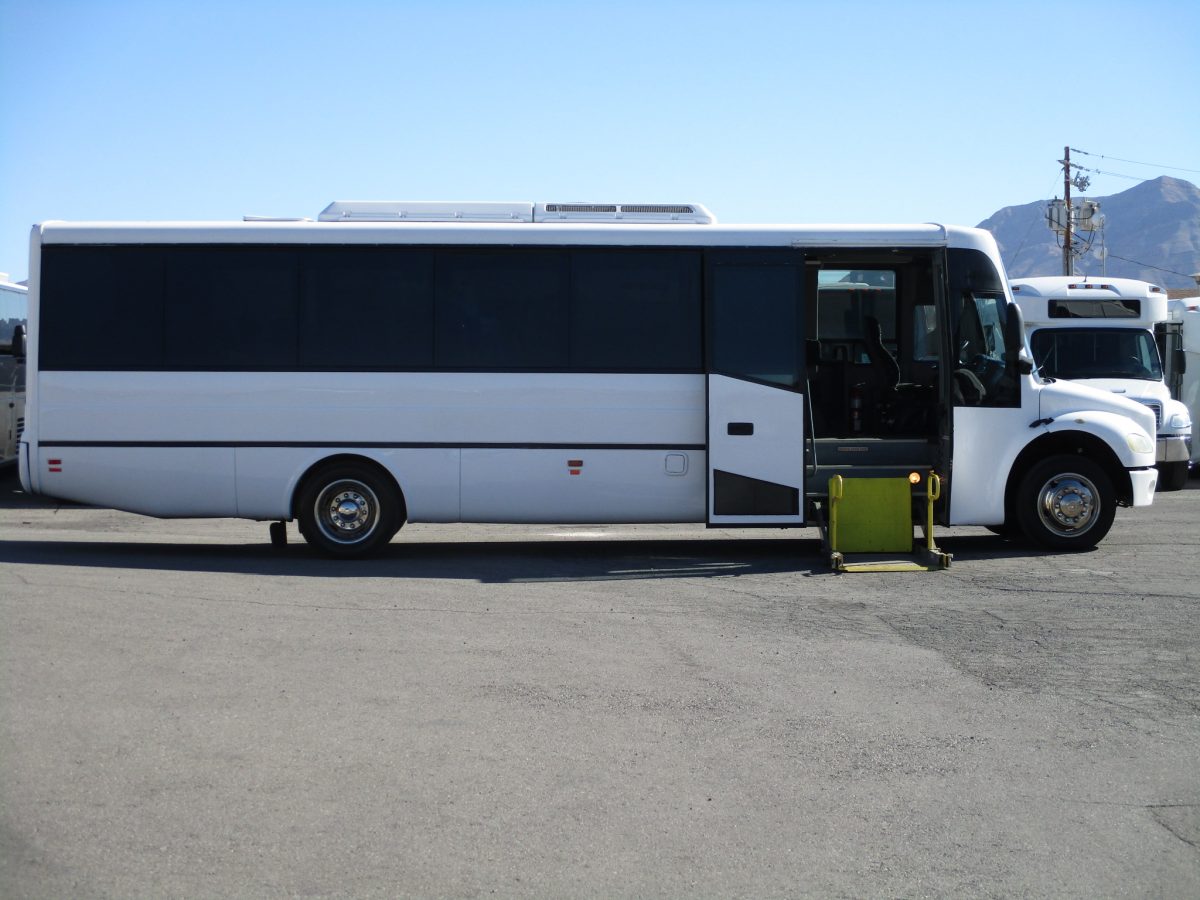
When your organization transports passengers with mobility needs, choosing the right vehicle is about more than seating capacity and price. An ADA accessible bus should make boarding, riding, and exiting as safe and convenient as possible while still meeting the everyday demands of your transportation program. Whether you operate a senior living community, school, hotel, healthcare organization, church, or shuttle service, here are some important factors to consider when shopping for an accessible bus. Consider Your Passenger and Wheelchair Capacity Start by thinking about who you transport on a typical trip. How many seated passengers do you need to accommodate?… Read more »
Public transportation does not always fit neatly into every community. Fixed-route buses work well in areas with consistent passenger demand, but they may be less practical in neighborhoods where riders are spread out or travel patterns frequently change. Microtransit offers another option. By combining shared transportation with flexible scheduling and routing technology, microtransit services can help passengers reach destinations that may be difficult to access through traditional bus routes. What Is Microtransit? Microtransit is a shared transportation service that uses smaller passenger vehicles and flexible routes. Instead of following the same route and schedule throughout the day, vehicles are dispatched… Read more »
A bus trip can be a comfortable and convenient way to travel, but motion sickness can quickly make the ride unpleasant. Nausea, dizziness, sweating, fatigue, and vomiting are all common symptoms that may develop while riding in a moving vehicle. Fortunately, a little preparation can help many passengers prevent motion sickness or reduce its effects once symptoms begin. Why Does Motion Sickness Happen? Motion sickness occurs when the brain receives conflicting information about movement. Your inner ear may sense that the bus is turning, accelerating, or slowing down, while your eyes may be focused on a book, phone, or another… Read more »
School buses are a familiar sight on roads across the country. Most people see them every day during the school year, but few realize just how much thought, engineering, and history go into these iconic vehicles. School buses do much more than transport students. They play a major role in safety, education, and community transportation. Here are four interesting facts about school buses that you may not know. 1) School Bus Yellow Was Chosen for Safety Have you ever wondered why school buses are yellow? The color was not chosen by accident. In the late 1930s, transportation experts selected a… Read more »
Overnight bus travel can be a great way to reach your destination while saving time and avoiding the cost of a hotel stay. Whether you are traveling for a vacation, school trip, sporting event, or business purpose, a little preparation can make the experience much more enjoyable. While sleeping on a moving bus is not always easy, the right strategy can help you arrive feeling more rested and comfortable. Here are some simple tips to make your next overnight bus trip go more smoothly. Dress for Comfort Comfort starts with what you wear. Choose loose-fitting clothing that allows you to… Read more »
The transportation industry continues to evolve, and bus companies that adapt are often the ones that succeed. Whether you operate a charter company, shuttle service, tour business, or transportation fleet, finding ways to improve the customer experience and streamline operations can help you stay competitive. The good news is that improving your bus business does not always require major changes. Sometimes, a few strategic upgrades can make a significant difference in customer satisfaction, efficiency, and long-term growth. 1) Make Booking and Communication Easier Today’s customers expect convenience. If passengers have difficulty finding information, requesting quotes, or booking transportation, they may… Read more »