
 When shopping for a shuttle bus, passenger capacity is usually one of the first things buyers consider. However, where passengers will put their luggage, bags, and other belongings can be just as important.
Two common options are rear luggage areas and overhead storage. Both can help keep belongings organized and out of the aisle, but the right setup depends on who you transport, what they typically bring with them, and how your shuttle is used.
When Does Rear Luggage Make Sense?
A dedicated rear luggage area provides a separate space for larger bags and equipment. This can be especially useful for airport and hotel shuttle buses, tour companies, sports teams, and other services where passengers frequently travel with suitcases or bulky belongings.
Keeping larger bags in a designated rear compartment can also help keep the passenger area less crowded. Riders do not have to keep suitcases at their feet or try to fit oversized items into smaller storage spaces.
When comparing shuttle buses for sale, consider how much luggage your passengers usually bring. If most trips involve travelers with full-size suitcases, a dedicated rear storage area may be worth prioritizing.
When Is Overhead Storage a Better Fit?
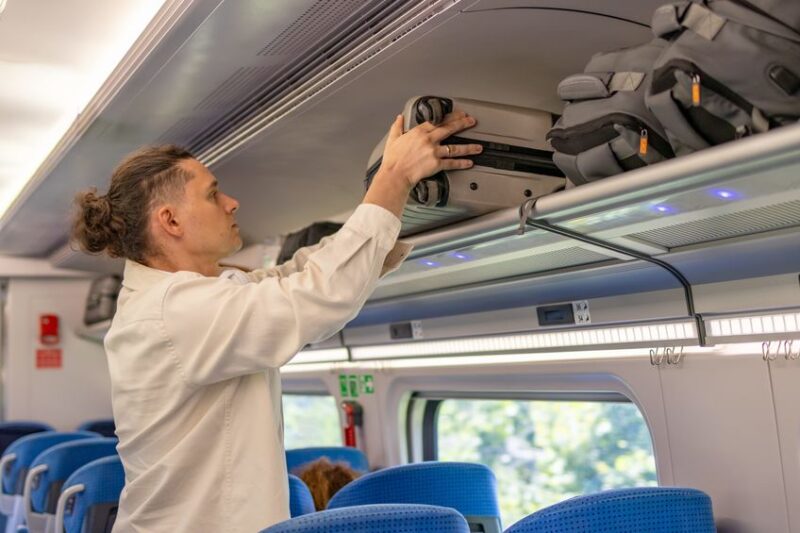
Overhead storage provides passengers with convenient access to smaller personal belongings without requiring a separate rear luggage area.
This setup can work well for tours, employee transportation, event shuttles, and longer-distance group travel where passengers may carry backpacks, purses, jackets, or smaller bags.
Because belongings remain inside the passenger compartment, riders can access them more easily during the trip. However, overhead storage is generally not designed for large suitcases or bulky equipment, so it is important to think about the type of items your passengers typically carry.
Think About Your Typical Passenger
The best storage configuration depends on more than the amount of available space. Consider the people who will use your shuttle most often.
An airport hotel may need enough room for nearly every passenger to bring a suitcase. A corporate shuttle may primarily transport commuters with backpacks and laptop bags. A tour company may need a balance of passenger seating and storage for bags, jackets, and other belongings that remain on board throughout the day.
If you are still deciding what type of vehicle best fits your transportation program, comparing passenger vans vs. shuttle buses can help you narrow down your options.
Don’t Forget Passenger Capacity and Accessibility
Storage is only one part of choosing the right shuttle bus. Adding or prioritizing luggage space can affect the overall interior configuration, so buyers should look at the complete vehicle rather than focusing on storage alone.
Consider passenger capacity, seating arrangement, aisle space, entry and exit points, and the amount of storage provided. If your passengers include people who use wheelchairs or other mobility devices, you should also consider how the storage layout works alongside the features of an ADA accessible bus.
Some organizations may even benefit from a setup that combines different storage options, depending on the size and configuration of the vehicle.
Choose a Shuttle Bus Around How You Travel
No single storage setup works for every shuttle operation. Rear luggage areas can be ideal when passengers regularly carry large bags, while overhead storage can provide convenient space for smaller belongings without taking up floor space in the passenger area.
At Las Vegas Bus Sales, we carry new and used shuttle buses in a variety of passenger and storage configurations. Whether you need dedicated rear luggage space, overhead storage, accessibility features, or a specific passenger capacity, our team can help you compare available options based on how your organization actually uses its vehicles.
Browse our current bus inventory or contact us to find a vehicle with the right balance of seating, storage, accessibility, and comfort for your transportation needs.
